How do I use a climbing personal anchor system (PAS)?
Rock Climbers use personal anchor systems to directly attach themselves to “anchors” atop climbing routes. Anchors can be made of bolts pre-placed in the rock, or climbers can place their own “trad gear” to construct a removable anchor. Generally, a climbing PAS is used to clean single-pitch sport climbing routes, as shown in the video below:
Although this is the most common use, a personal anchor system is a versatile tool which can be applied in many different ways throughout your climbing career.
Do I need a PAS?
No, you don’t NEED a dedicated rock climbing PAS. More advanced climbers will often use the climbing rope, quickdraws, or a basic dyneema sling or nylon sling to attach themselves to the anchor. These methods are safe, and have the advantage of not requiring specialsed tools. But for beginners and sport climbers, we recommend using a dedicated personal anchor system, because it is easier to adjust and harder to break.Other Words For PAS?
There are a few words for PAS systems. You may find people using any of the following words to refer to a personal anchor system:
- Lanyards
- PAS
- Anchor Chain
- Tether
- Daisy Chain / Daisies (This is *INCORRECT* – daisy chains are aid climbing equipment and SHOULD NOT BE USED AS PERSONAL ANCHORS in a sport climbing context. Still, you may hear people confuse the two. Make sure you know the difference. Black Diamond has a video demonstrating the dangers of using a daisy chain as a PAS
Personal Anchor System (PAS) Reviews
Below, we compare four of the most popular climbing personal anchor systems: The Metolius PAS-22, the Petzl Connect Adjust, the Sterling Rope Chain Reactor, and the Black Diamond Link.Metolius PAS-22

Price: $40 on Amazon
Pros: Common; Fully-rated loops; easy to adjust; available in a lighter alpine version
Cons: Can’t fall on it; a bit short; bulky
This is probably the most commonly-used personal anchor system in the USA. Take a look around your local climbing gym on a busy evening, and chances are you’ll see at least a couple of these hanging on harnesses. For cleaning sport routes (the most common use), this is a perfect tool. The main thing to be aware of with the Metolius PAS-22 is that you can’t fall on it. This is true of many personal anchor systems, but it bears repeating. This device is designed to hold your static body weight, only. Never climb above your anchor while using a PAS — the forces generated, even in a small fall, could potentially break the personal anchor system (or your ribs). Alternative: the Metolius Alpine PAS is a very similar product, but at bit lighter and cheaper. It’s $36.95 on Amazon.Petzl Connect Adjust

Price: $50 on Amazon
Pros: Made of climbing rope; dynamic material can absorb a fall; easily adjustable
Cons: More expensive, bulkier than dyneema
The Petzl Connect Adjust was designed to address the main problems with the older personal anchor systems. Namely: the older PAS devices were made of nylon or dyneema. Nylon and dyneema are super-strong materials, but they don’t stretch, which means they could possibly break if you happen to fall onto them. Unlike the other devices, the Petzl Connect Adjust isn’t made up of interlocking rings, but rather one strand of dynamic rope with a sliding adjuster, meaning it can be more minutely adjusted to whatever length you desire. This system really revolutionized the Personal Anchor Market, and most modern PAS use this design. A new update is coming to the Petzl Connect Adjust in summer 2024, but it has not quite made it to market yet. We will adjust this post when it finally releases.Edelrid Switch Adjust
- Price: $95
- Buy on Amazon
- Diameter of rope: 8.9mm
- Length of PAS: 1m
Price: $95 on Amazon
Pros: Slim rope allows for easy handling; can be adjusted while under tension
Cons: Very expensive.
The Edelrid Switch Adjust is a well-engineered PAS with an integrated carabiner and a slim 8.9mm rope for easy handling. The downside to this Cadillac of personal anchor systems is that it’s a little more expensive – almost $100 retail! The video above is for the “Switch Pro Adjust“, which is aimed at rope-access professionals, but the “Switch Adjust” PAS is aimed at rock climbers and operates on the same mechanism. The main differences are length of rope and type of carabiner included.Kong Slyde Personal Anchor

Price: $15 on Amazon
Pros: Cheap, Can be used with old climbing rope you may have, easily customizable
Cons: Does not come with rope included
The Kong Slyde is just the metal adjuster piece of a dynamic PAS. Again, YOU NEED TO PROVIDE YOUR OWN ROPE for this thing. This is a good choice for people who may have old retired climbing ropes sitting around, and who have very specific opinions about what diameter cord they like to have on their Personal Anchor System. It is also a good choice for those who are really restricted on budget.CAMP Swing
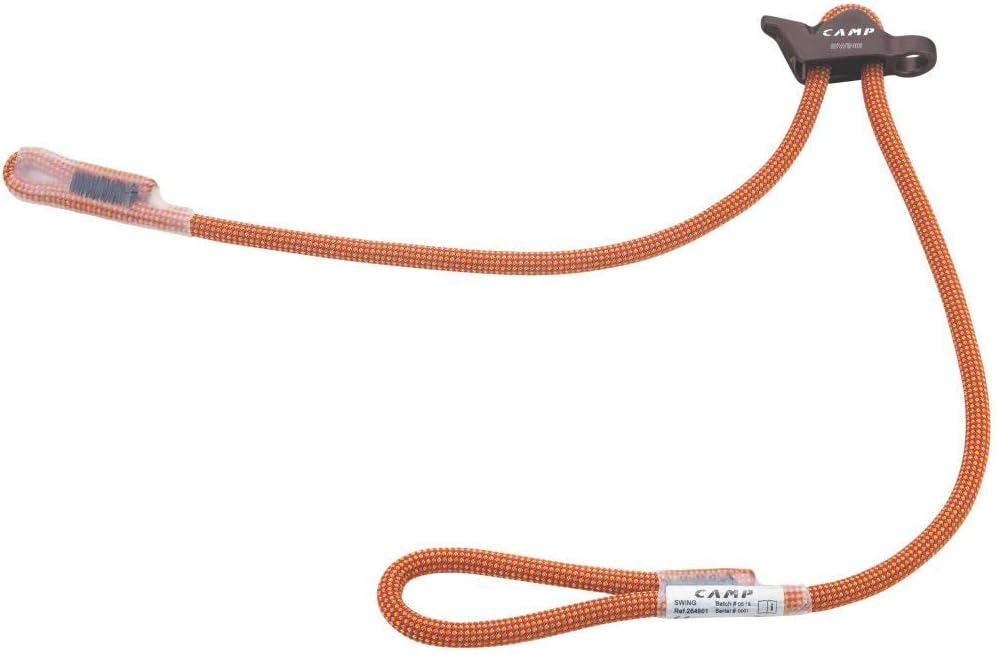
Price: $60 on Amazon
Pros: Releasable under load
Cons: Included 9.7mm rope is considered a little too thick by most users
The CAMP Swing’s unique feature is that it is releasable under load. While this feature isn’t overly useful for sport climbing, it does make these PAS much more versatile for aid climbers. That said, the 9.7mm rope is very thick, which makes it doable but a bit difficult to adjust this PAS. Most experienced climbers recommend replacing the rope with a thinner diameter cord for optimum handling. However, this requires modifying your gear, which many beginner and intermediate climbers are hesitant to do.A Basic Sling

 Gym to Crag